As a student in the Doctor of Nursing Practice program, you can choose to specialize in one of twelve areas. A brief description of each specialty is listed below.
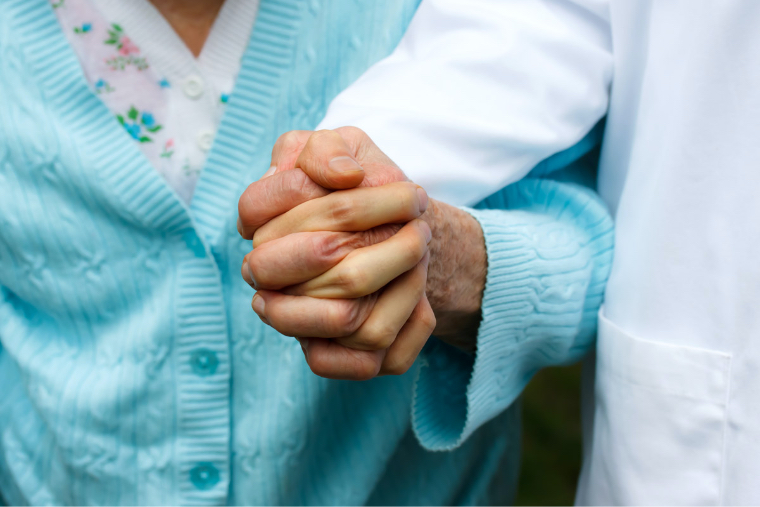
Adult/Gerontological Clinical Nurse Specialist
This specialty prepares students to provide holistic, team-based care for adults and older adults. Graduates are not only prepared to independently manage primary care needs of adults and older adults, but are also prepared to be leaders in health systems with a firm grounding in evidence-based practice and system change.
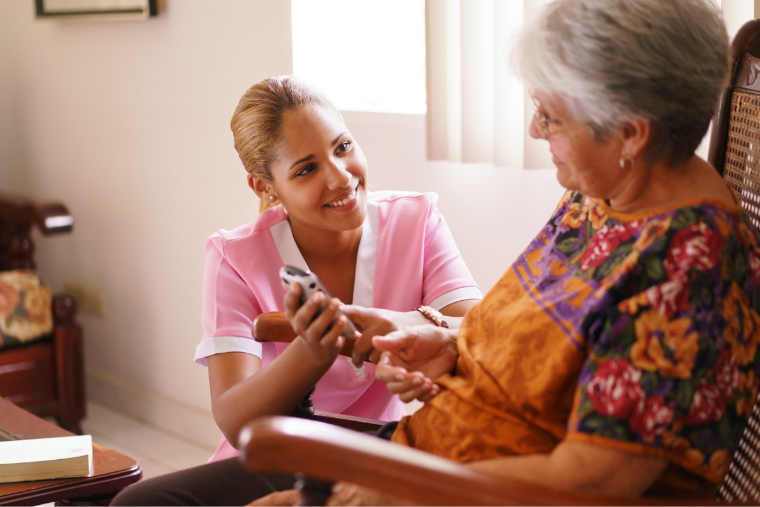
Adult Gerontological Primary Care Nurse Practitioner
Students will be prepared to lead and guide the management of complex health conditions, working with nurses and organizations, to provide care to adults and elders in a variety of settings. Graduates of this program work as expert clinicians and consultants in acute care settings, nursing homes, transitional care settings and specialty practices.
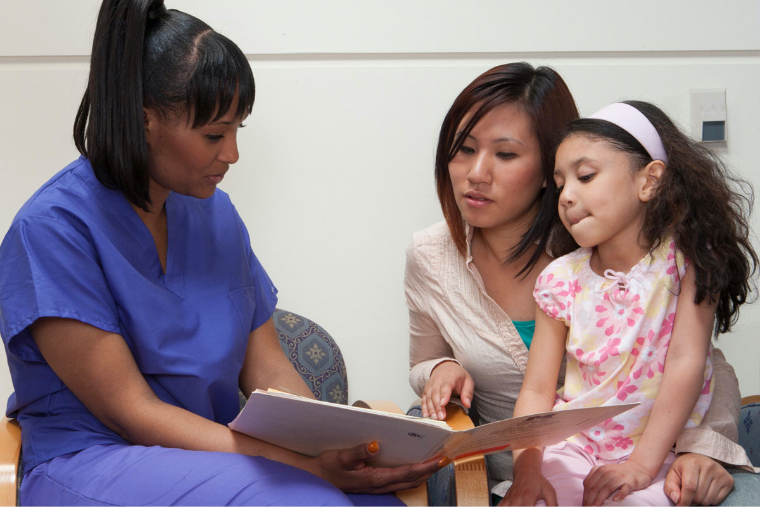
Family Nurse Practitioner
Students are prepared for the clinical management of patients across the lifespan and within the context of their families and environment. Students are stimulated to assess the patient within an ever-widening system of interactions that help shape individual health and health care.

Health Innovation and Leadership
This DNP specialty prepares students to be full interprofessional partners, to create innovative healing environments and to transform health care systems locally, nationally and internationally. Roles range from leading in formal executive positions to leadership at point-of-care delivery, from acute care to community care, from leading individual quality and safety programs to national and international health care initiatives.

Integrative Health and Healing
Students are prepared to work with individuals, families, communities and health systems to develop integrative approaches to health promotion, disease prevention and chronic disease management. An integrative approach includes engaging the patient as an informed and empowered partner, personalizing care and using all appropriate, evidence-based therapeutic approaches, including lifestyle changes, to achieve optimal health and wellbeing.
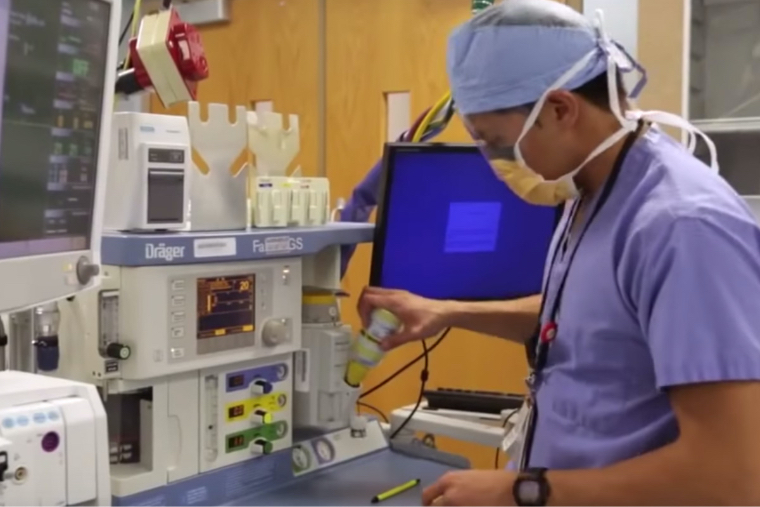
Nurse Anesthesia
This DNP program specialty prepares students to practice as a certified registered nurse anesthetist (CRNA) at the highest level of clinical practice in this fast paced program that leads to a Doctor of Nursing Practice degree and national certification examination eligibility.
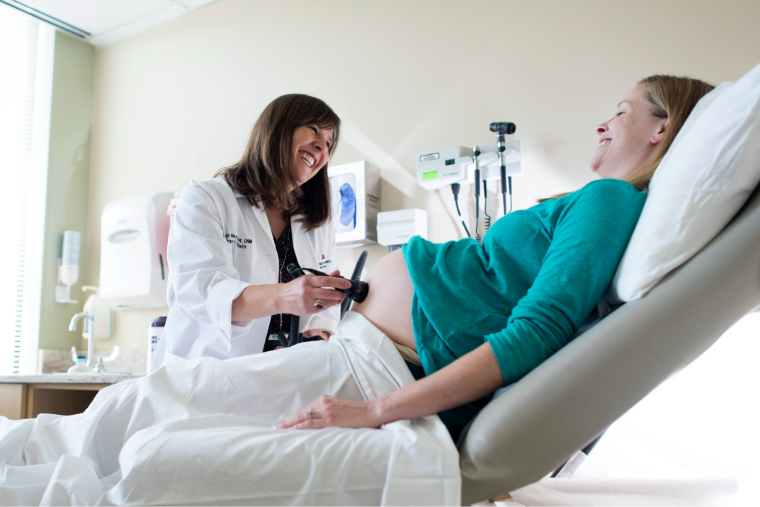
Nurse Midwifery
This specialty prepares students to provide holistic, team-based care for adults and older adults. Graduates are not only prepared to independently manage primary care needs of adults and older adults, but are also prepared to be leaders in health systems with a firm grounding in evidence-based practice and system change.

Nursing Informatics
Students will be prepared to lead and guide the management of complex health conditions, working with nurses and organizations, to provide care to adults and elders in a variety of settings. Graduates of this program work as expert clinicians and consultants in acute care settings, nursing homes, transitional care settings and specialty practices.
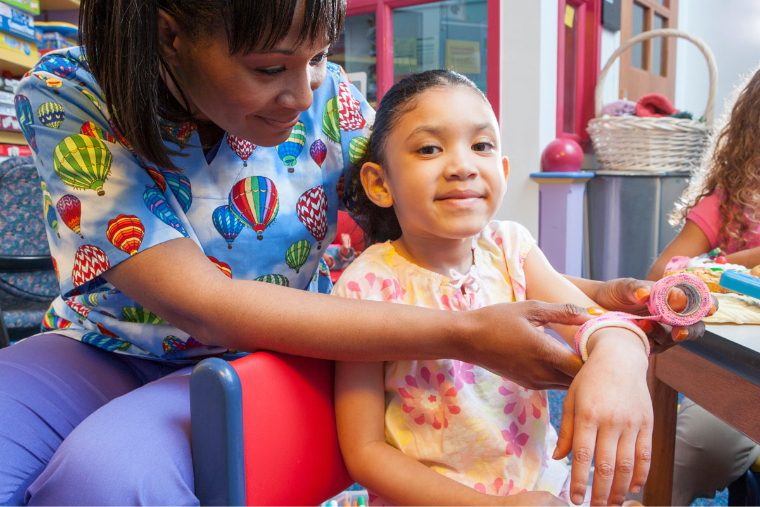
Pediatric Clinical Nurse Specialist
Students are prepared for the clinical management of patients across the lifespan and within the context of their families and environment. Students are stimulated to assess the patient within an ever-widening system of interactions that help shape individual health and health care.

Pediatric Nurse Practitioner Primary Care
This DNP program specialty prepares students to care for children and improve systems of care for children and their families. Pediatric nurse practitioner students learn to provide comprehensive pediatric assessments and management of health and illness issues. The program emphasizes health policy, evidence-based practice, informatics and program evaluation.
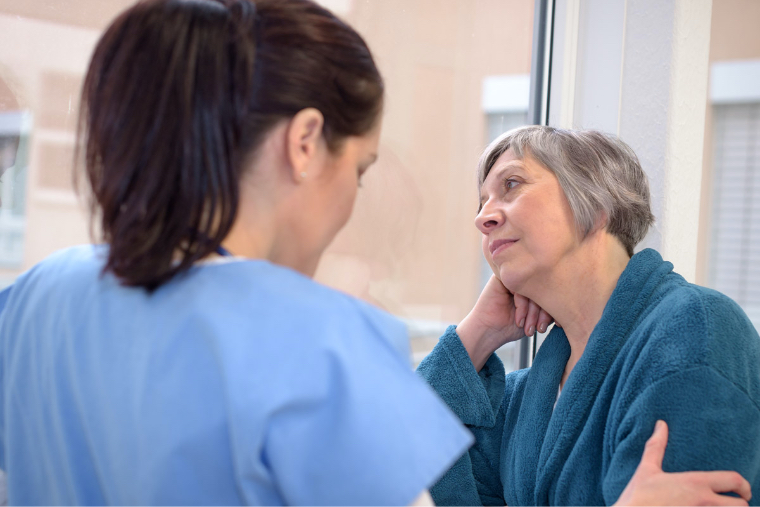
Psychiatric/Mental Health Nurse Practitioner
Students are prepared for independent clinical practice to treat psychiatric disorders and mental health problems of people across the lifespan. Students learn to diagnose disorders and provide holistic treatment and lifestyle management, including pharmacological interventions, complementary and alternative therapies, and individual, group and family psychotherapies that promote mental health and reduce disability.
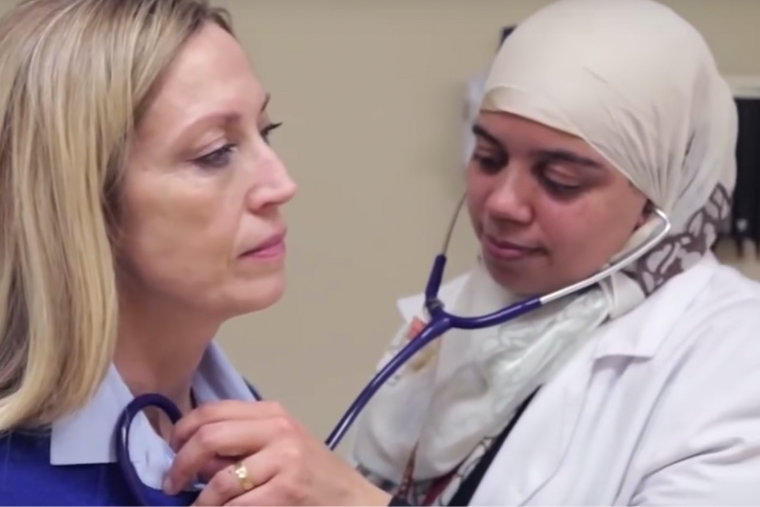
Women’s Health/Gender-Related Nurse Practitioner
This specialty of the DNP program prepares students to provide advanced practice care to women throughout their lifespan. The program teaches students about the unique needs, challenges and life transitions in women’s lives. Students gain expertise in educating women on prevention and health as well as diagnosing, managing and treating common and complex prenatal and reproductive health conditions. Graduates of the program serve as primary care providers through chronic and acute illnesses.